From the capital to the highlands, discover a country with many stories to tell.
Conference illustration
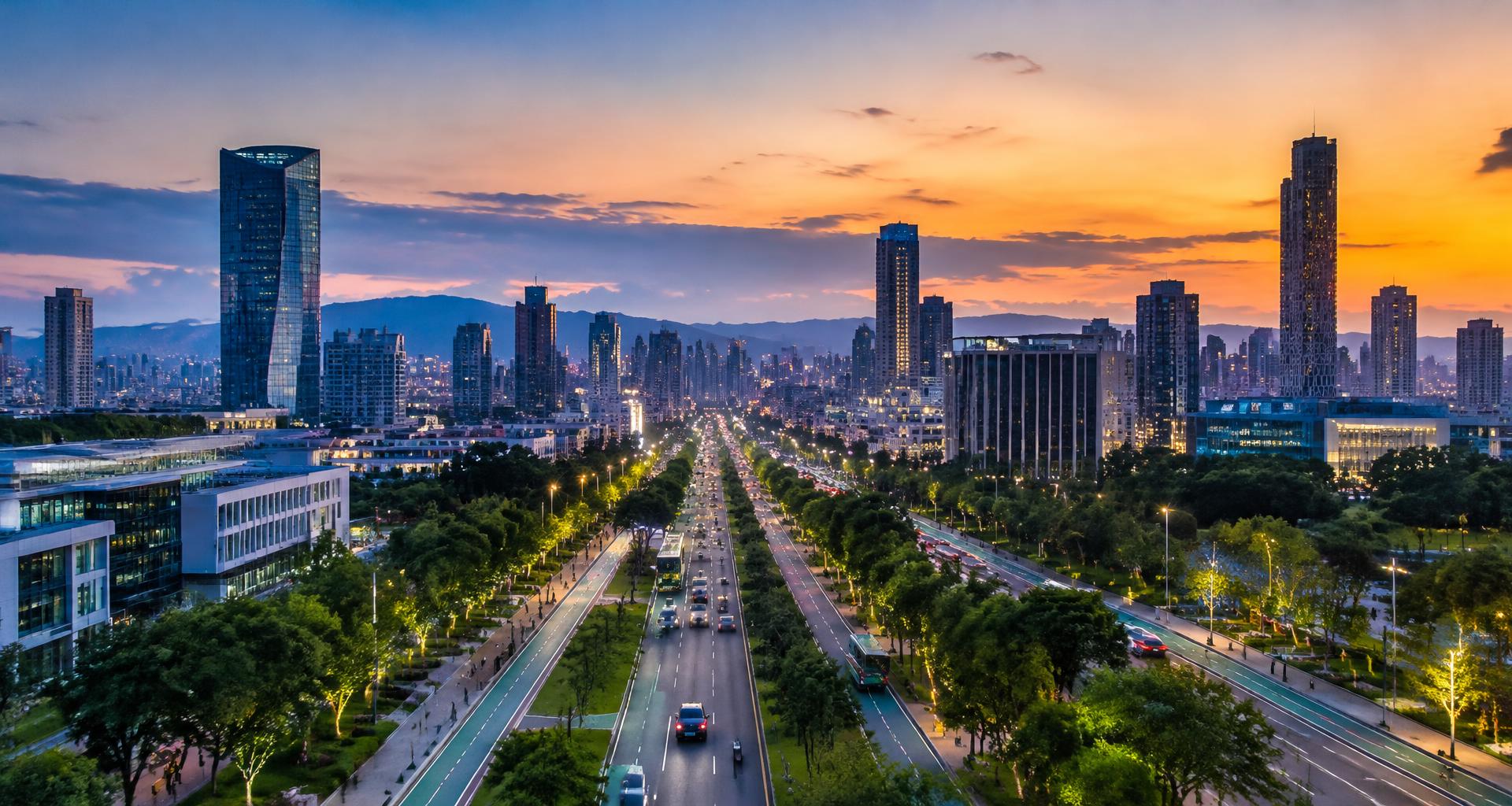
Addis Ababa — renewed corridors
Ethiopia’s capital brings its cultural life into conversation with a changing cityscape. Corridor development is reshaping streets with pedestrian routes, cycling infrastructure and green public spaces. Alongside the renewed boulevards, museums and neighbourhood life offer a way to explore the city’s heritage and contemporary ambitions.
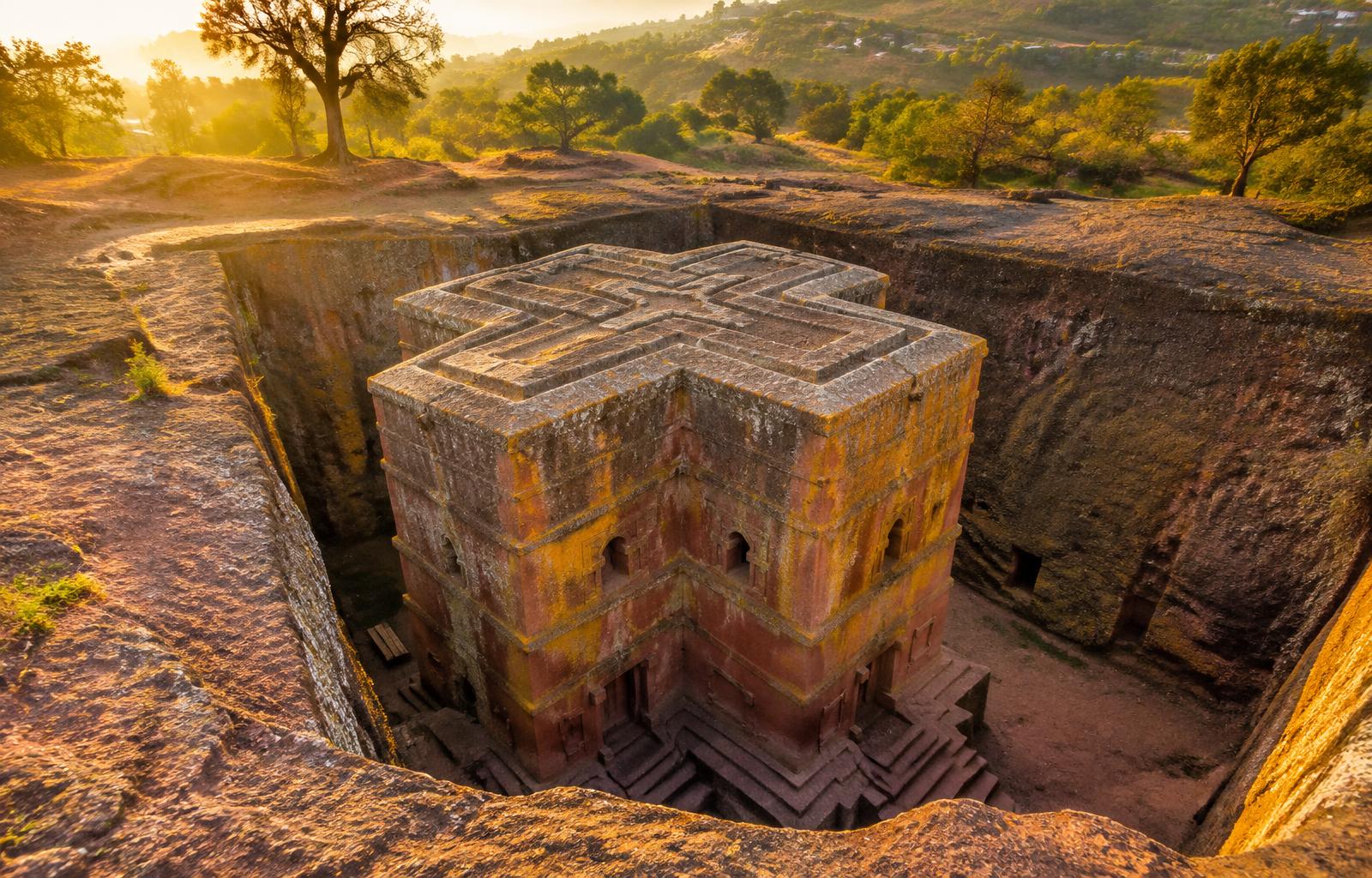
Eleven medieval churches, carved from living rock, form the extraordinary sacred landscape associated with King Lalibela’s vision of a “New Jerusalem.” Trenches and passages connect places of worship that remain part of a living pilgrimage tradition. The cross-shaped Church of Saint George is among its most recognisable landmarks.
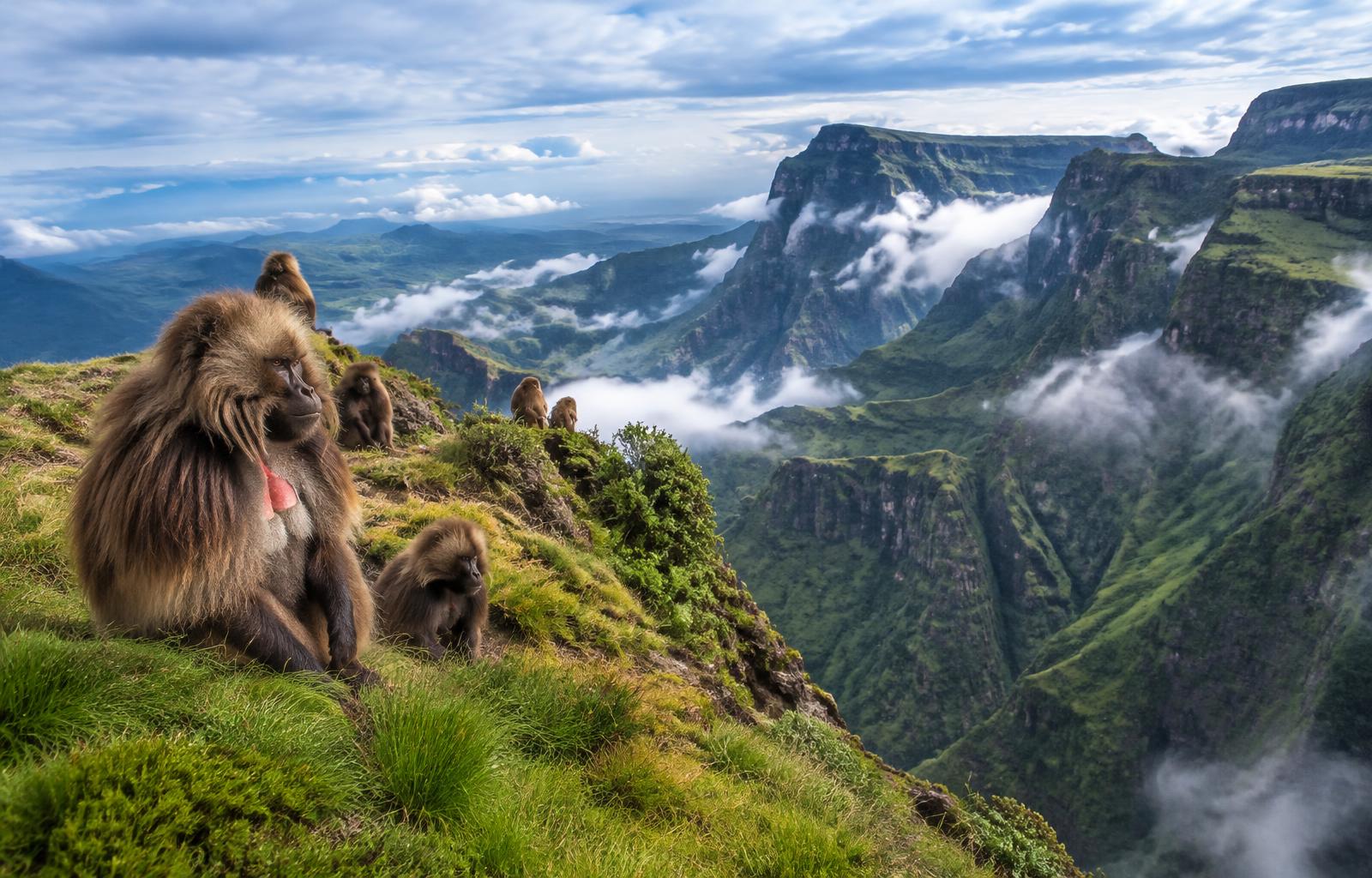
Millions of years of erosion shaped the Simien highlands into deep valleys, jagged peaks and dramatic escarpments. This mountain landscape shelters distinctive wildlife, including geladas and the Walia ibex. Its World Heritage national park tells a story of remarkable natural scenery and the importance of conserving Ethiopia’s highland habitats.
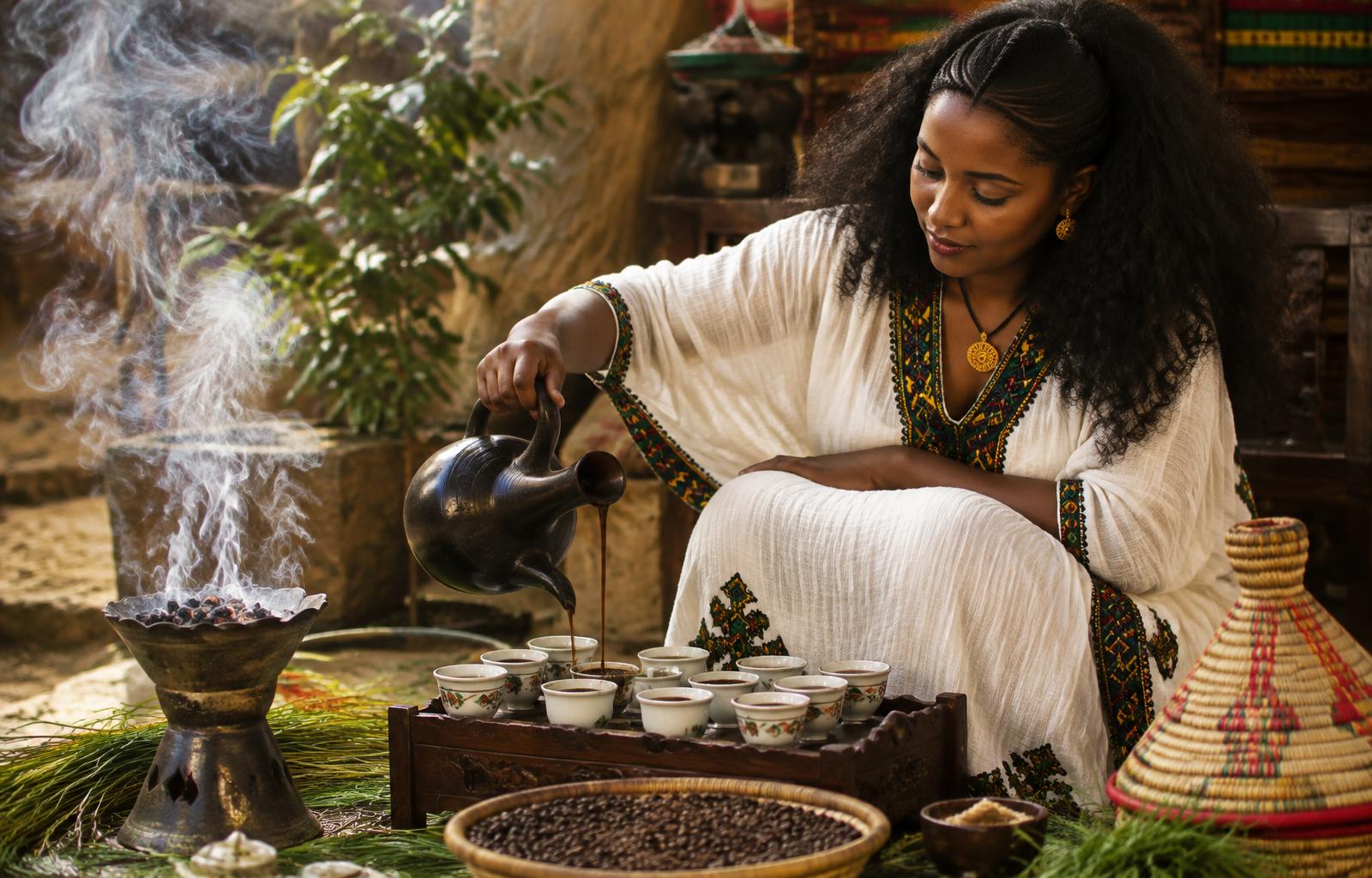
The coffee ceremony turns preparation into shared time: beans are roasted, ground and brewed in a clay jebena before coffee is poured into small cups. Traditionally, three rounds follow — Abol, Tona and Baraka. The ritual creates space for conversation and hospitality, connecting everyday life with Ethiopia’s enduring coffee culture.
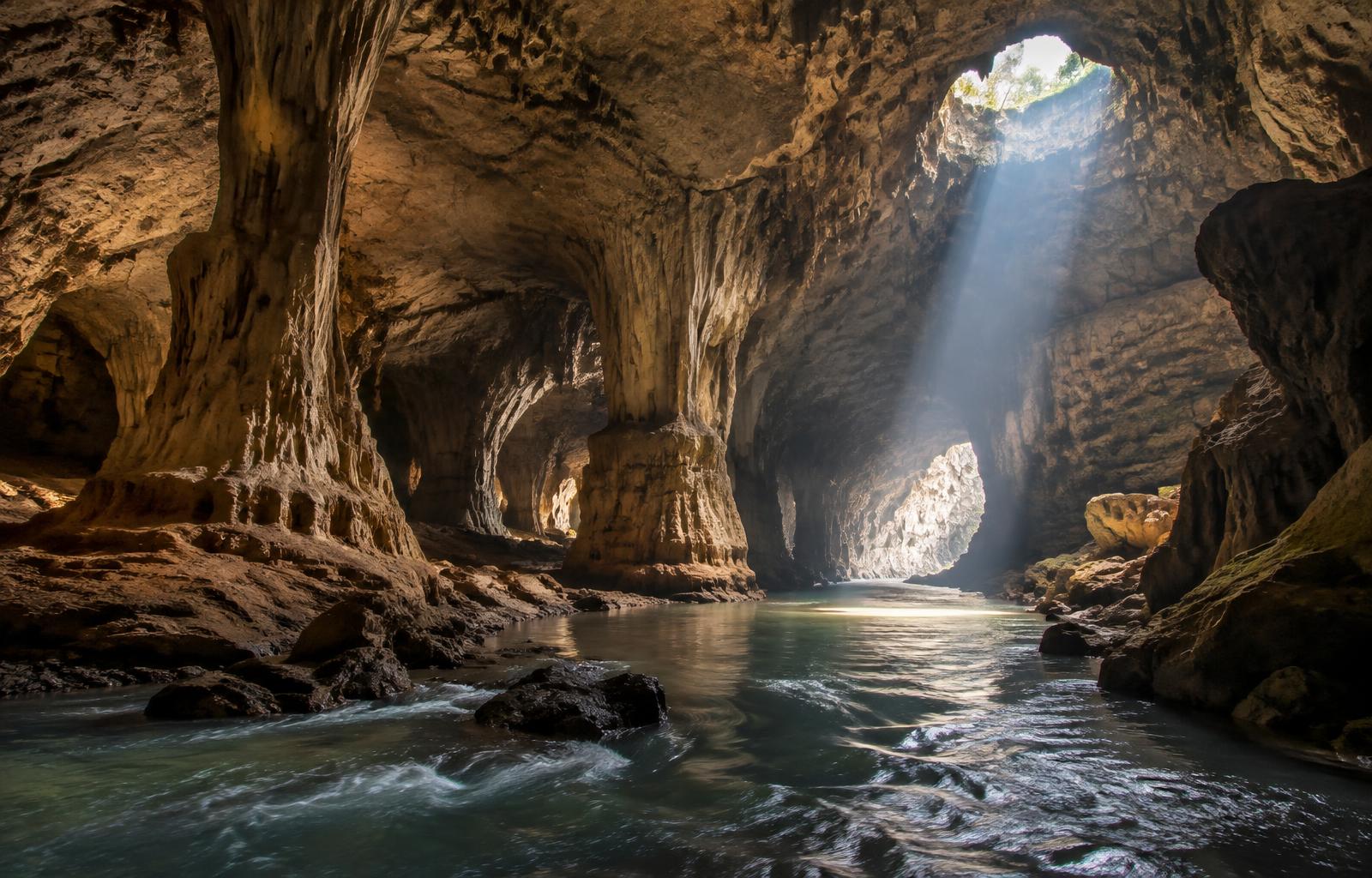
The Weyib, also spelled Weib, River carved a remarkable underground world through the limestone of Bale. Arched passages and vast chambers reveal pillars sculpted by water, including the celebrated Chamber of Columns. Associated with Sheikh Sof Omar, the caves carry spiritual significance as well as an extraordinary geological story.
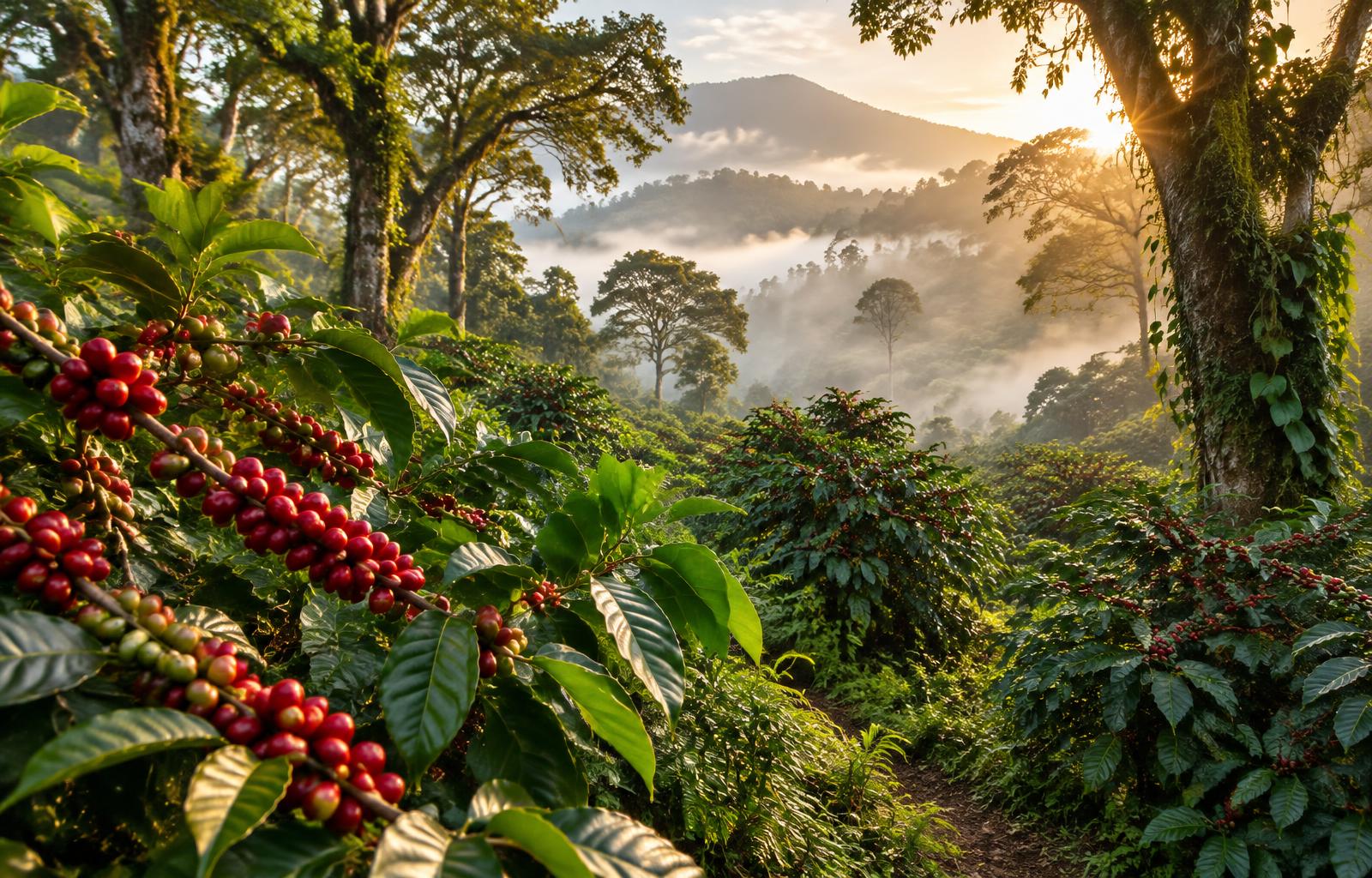
In the forests of southwestern Ethiopia, wild Arabica coffee grows beneath a rich canopy. UNESCO identifies the Kafa Biosphere Reserve as its birthplace and a vital centre of coffee’s genetic diversity. The landscape connects the origins of a worldwide drink with forest conservation, local livelihoods and generations of coffee knowledge.
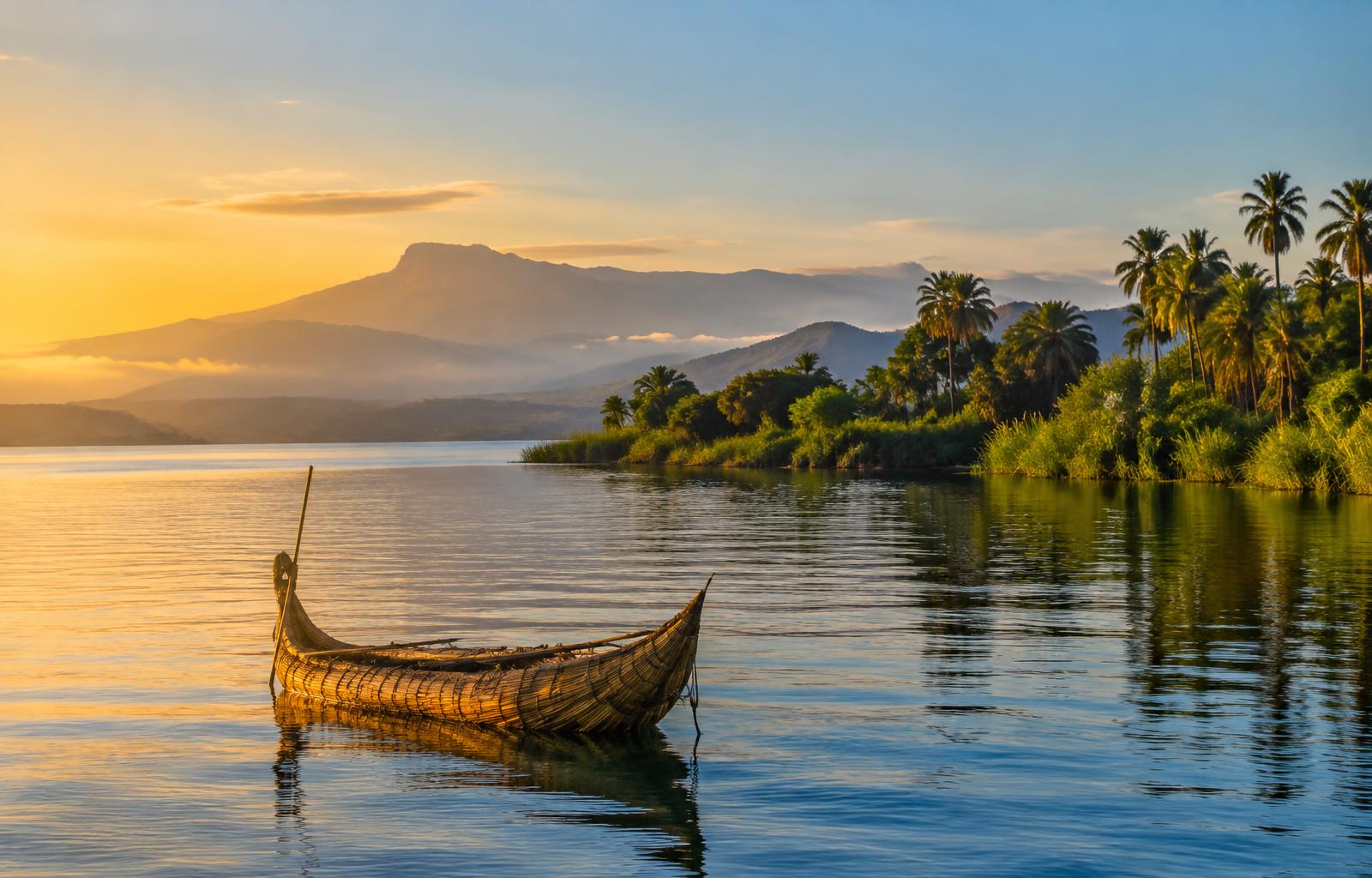
Ethiopia’s largest lake feeds the Blue Nile and holds centuries of cultural memory. Its islands and peninsulas shelter monasteries and churches associated with religious manuscripts, paintings and historic treasures. Around the water, wetlands and bird habitats add a natural dimension to a landscape shaped by faith and daily life.
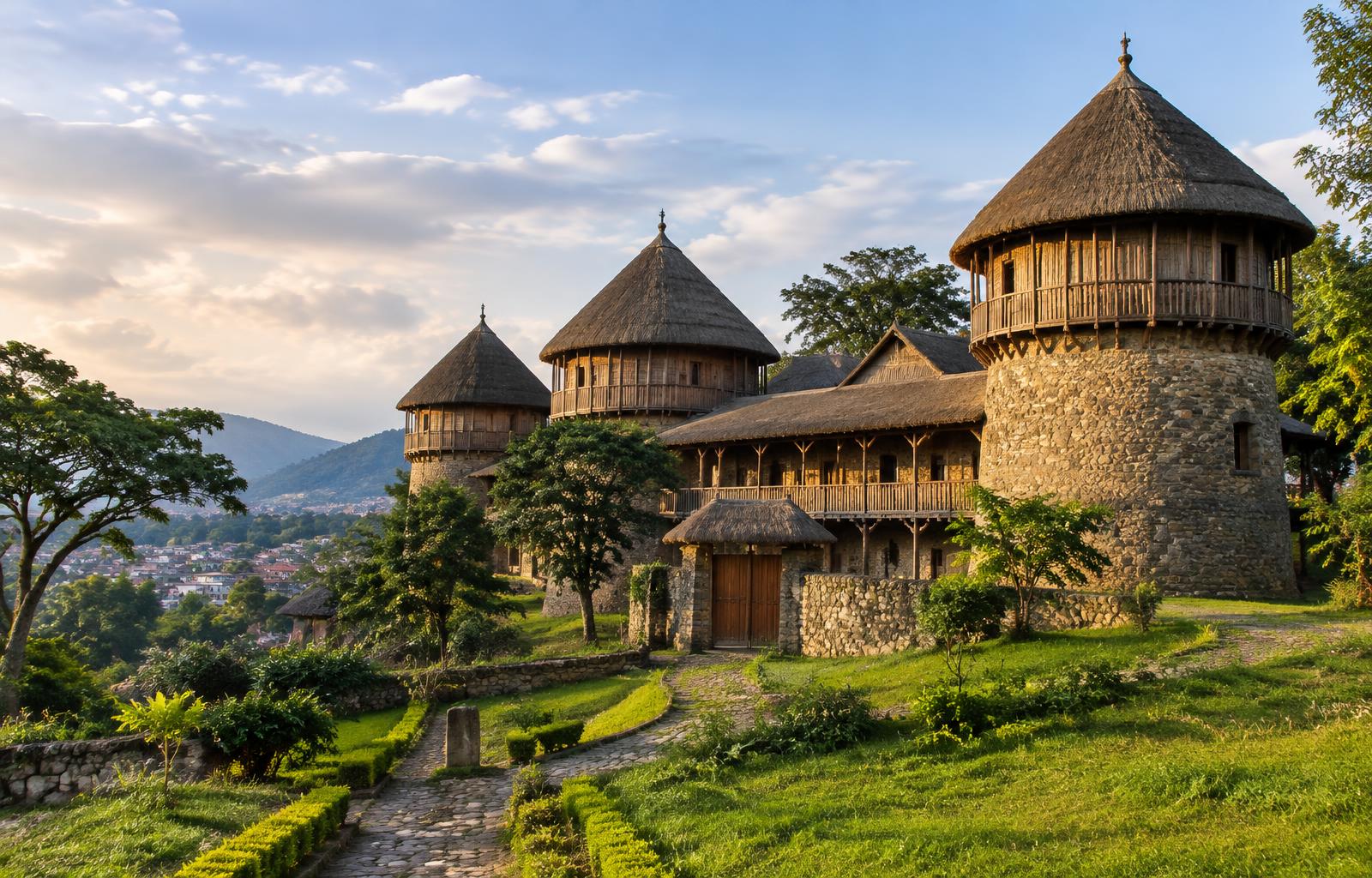
At Jiren, above Jimma, Abba Jifar’s Palace recalls the royal history of one of the Gibe kingdoms. Its architecture reflects local woodworking traditions and connections carried through regional trade. The palace and Jimma’s museum offer a window into the rulers, craftsmanship and cultural heritage of this southwestern Ethiopian region.
Plan visits independently of your conference registration. Check current travel advice, local access and arrangements with the relevant authorities and operators.